Identify which sql / relational, geospatial, time series shapes are actually needed for this workload, what remains authoritative, and which data can be derived.
06INDUSTRIES / INFRASTRUCTURE & TECHNOLOGY
Infrastructure & Technology, understood through its data.
Systems, devices, telemetry, and changing service state. This page is a workload hypothesis, not a customer deployment or product-fit guarantee.
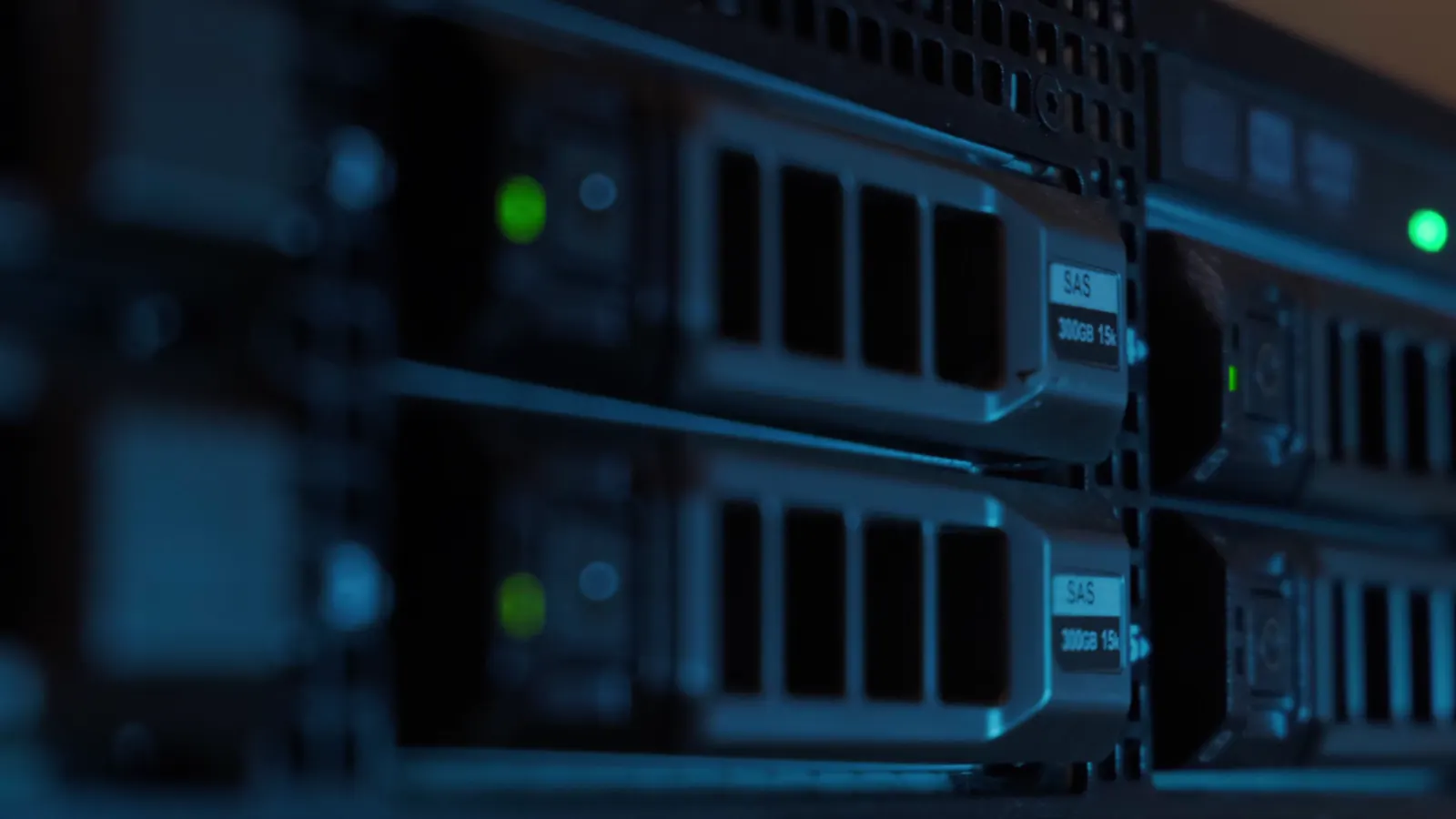
VISUAL REFERENCEServer room footage · MrColo / Pexels
01 / Workload brief
How operational signals and structured asset context can be represented and queried.
INTEiND provides SQL/relational, geospatial, vector, and time-series models in one real-time, multi-index, distributed streaming database. The exact way a workload uses them should be verified with representative data and queries.
DATA MODELS TO EVALUATE
SQL / relational · Geospatial · Time series
ACCESS INTERFACES TO EVALUATE
MQTT · gRPC · HTTP · SQL
02 / Questions before product fit
01
Which records and signals define a representative infrastructure & technology workload?
02
Which model, query, and access-interface behaviors must be validated against the current product release?
03
What deployment, security, and operating controls must the technical review cover?
03 / The workload in context
Infrastructure & Technology is a system context, not a single workload.
How operational signals and structured asset context can be represented and queried. The practical review starts by selecting one operating environment, tracing its records and changing signals, then defining the queries that must bring them together.
Map each client to a confirmed interface—MQTT, gRPC, HTTP, SQL—then verify the operations and compatibility behavior the application depends on.
Use representative records and query patterns to verify model behavior, index use, streaming requirements, and operating constraints for the target release.
04 / Domain workload landscape
Bring the real operating picture into the review.
Use these records, signals, and application journeys to define a representative workload before evaluating the product.
Device telemetry
Readings with device and sensor identity attached.
Device records
Fleets, models, firmware, provisioning and ownership.
State by key
Last known state and configuration addressed directly.
Fleet events
Provisioning, firmware updates, faults and decommissions.
Security events
Authentication, network, endpoint and application events.
Identities and assets
Users, service accounts, hosts, services and their owners.
Relationships and privilege
Access, membership, trust and reachability structure.
Cases and findings
Investigations, notes, evidence and remediation records.
Metrics
Counters, gauges, histograms and derived rates.
Logs
Structured and semi-structured records from services.
Traces and spans
Request paths, timings and error attribution.
Service and deploy records
Services, owners, versions, deploys and incidents.
Asset model
Assets, components, hierarchy and their relationships.
Live state
Telemetry and current state per asset and component.
Documents and specifications
Manuals, drawings, procedures and certifications.
Computed views
Derived values, aggregates and condition indicators.
This domain inventory may include files, documents, or source systems. INTEiND’s confirmed model families are SQL/relational, geospatial, vector, and time series; representation and access requirements outside those models need separate product validation.
05 / Connected solution paths
01
TRUSTIoT
↗02Device records and continuously arriving telemetry through messaging and service interfaces.
FOUNDATIONTime-series Workloads
↗03Measurements and events whose meaning depends on time and asset context.
FOUNDATIONReal-time Analytics
↗04Evaluation patterns for queries over data that changes continuously.
TRUSTEdge Computing
↗05A workload framing for data collected across distributed or network-constrained locations.
INDUSTRIALDigital Twins
↗06A data pattern for assets represented through records, location, and measurements over time.
INTELLIGENCEKnowledge Systems
↗07Structured records and vector representations organized around a shared subject.
TRUSTRisk & Fraud
↗08Structured records and temporal signals evaluated for risk-oriented workloads.
FOUNDATIONOperational Analytics
↗09Operational records analyzed alongside the application data that produced them.
FOUNDATIONData Infrastructure
↗10A single database engine for several data shapes and access interfaces.
INDUSTRIALEquipment Intelligence
↗11Equipment records considered alongside their measurements, events, and location.
INDUSTRIALIndustrial AI
↗An evaluation pattern for model-driven features that depend on current operational context.
07 / Related paths